

Southern California Fall Skincare 2026: Woodland Hills Guide
Southern California fall skincare 2026: Practical Southern California fall skincare 2026 tips for Woodland Hills clients: when to book hydrating facials, adjus…
View article sections
- 01Table of contents
- 02Quick overview: Southern California fall skincare 2026 — what to know (as of October 5, 2026)
- 03How conditions affect skin: simple science and practical implications
- 04How to adjust professional facial planning this fall
- 05Comparing facial types and at-home care for fall needs
- 06Choosing add-ons this fall: what pairs well with hydrating care
- 07At-home routine adjustments for Southern California fall skincare 2026
- 08Risks, limitations, and when to seek medical advice
- 09Costs and availability (what to expect)
- 10Practical next steps for Woodland Hills clients
- 11Service comparisons at Asal Skin Lounge (Woodland Hills)
- 12Local considerations: Tarzana, Encino, Canoga Park, Calabasas, West Hills
- 13Sources and further reading
- 14Bottom line
- 15Related guides and resources
- 16Frequently asked questions
- 17Need practical help?
- 18Topic in context
Quick summary: As of October 5, 2026, Woodland Hills seasonal shifts toward cooler nights, lower humidity, and higher wildfire-smoke risk make barrier-first hydration the priority. Book hydrating facials sooner, avoid aggressive exfoliation during smoke events, and maintain a simplified at-home barrier routine.
Estimated reading time: 8 minute read
Table of contents
- Quick overview: Southern California fall skincare 2026 — what to know (as of October 5, 2026)
- Confirmed facts, analysis, and estimates
- How conditions affect skin: simple science and practical implications
- How to adjust professional facial planning this fall
- Why these choices matter
- Comparing facial types and at-home care for fall needs
- Choosing add-ons this fall: what pairs well with hydrating care
- At-home routine adjustments for Southern California fall skincare 2026
- Risks, limitations, and when to seek medical advice
- Costs and availability (what to expect)
- Practical next steps for Woodland Hills clients
- Service comparisons at Asal Skin Lounge (Woodland Hills)
- Local considerations: Tarzana, Encino, Canoga Park, Calabasas, West Hills
- Sources and further reading
- Bottom line
- Related guides and resources
- Frequently asked questions
- When should I switch my skincare routine for fall in Southern California?
- Does wildfire smoke really affect skin, and what can I do?
- How often should I get a professional hydrating facial in fall?
- Which add-ons are safest to pair with a hydrating facial in fall?
- How should men adjust shaving and facial care in fall?
- Need practical help?
- Topic in context
- Sources and further reading
What changed, exactly (October 5, 2026) and why it matters: On October 5, 2026 local weather patterns shifted toward cooler nights, lower overnight humidity, and a heightened seasonal risk of wildfire smoke in Southern California. This transition matters because drier air and airborne particulates can weaken the skin’s moisture barrier and increase irritation for many residents of Woodland Hills and neighboring communities.
In this guide we explain what to change now in pro treatments and at-home care, list safe add-ons to consider, and summarize tradeoffs so you can choose the right appointment for your needs.
Quick overview: Southern California fall skincare 2026 — what to know (as of October 5, 2026)
Short version: prioritize barrier-supporting hydration, avoid aggressive exfoliation during prolonged smoke events, and plan professional hydrating facials or barrier-repair add-ons sooner rather than later. Seasonal dry skin (xerosis) commonly increases with lower humidity and heating, and experts note that simple barrier support helps most people reduce flaking, tightness, and sensitivity [1][2]. In addition, wildfire smoke can irritate skin and eyes, so consider protective measures on high-smoke days [3].
Confirmed facts, analysis, and estimates
- Confirmed facts: Dry skin and contact-related irritation increase when ambient humidity drops [1][2]. Wildfire smoke may aggravate skin and respiratory health; the EPA recommends limiting exposure during smoke events [3].
- Analysis: For Woodland Hills clients, the fall shift toward cooler nights plus seasonal smoke episodes raises the priority of hydration and barrier repair in both pro facials and home routines.
- Estimates: Recommended pro-facial cadence often remains every 4–6 weeks for maintenance, but weather-driven needs may justify a hydrating appointment every 3–5 weeks for some clients (estimate; consult your provider).
How conditions affect skin: simple science and practical implications
Lower humidity and heating reduce skin surface hydration and can disrupt lipid layers that retain moisture. That process is the primary driver of seasonal dry skin symptoms like flaking, roughness, and tightness [1][2].
Meanwhile, wildfire smoke contains fine particles and volatile compounds that can land on the skin, potentially increasing inflammation or worsening preexisting sensitivity. The EPA advises reducing outdoor exposure during smoke events and using indoor air filtration when possible [3].
How to adjust professional facial planning this fall
Below are recommended adjustments for scheduling and treatment selection at Asal Skin Lounge in Woodland Hills. These suggestions use standard clinical guidance about dry skin and smoke exposure plus our studio’s service options.
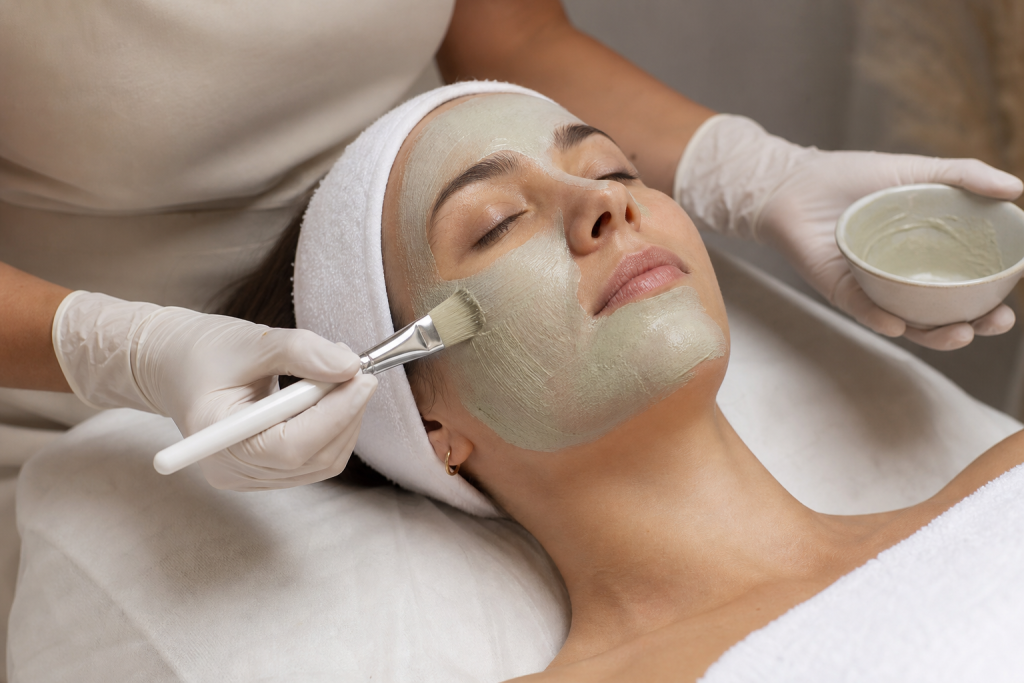
- Book a hydrating facial earlier: If you typically schedule seasonal maintenance every 4–6 weeks, consider moving up a session to address early barrier compromise. A hydration-focused facial supports lipids and humectants to relieve tightness and flaking.
- Choose gentle yet effective deep-cleansing: Autumn can still bring oiliness during warm days. A pro deep cleanse that balances oil removal with immediate hydration prevents over-drying.
- Avoid strong in‑studio exfoliation during smoke episodes: When smoke is active, skip aggressive resurfacing and prefer enzyme or gentle chemical options combined with barrier repair. This reduces the risk of irritation from particulate exposure.
- Consider barrier-repair add-ons: Galvanic deep infusion and hydrating serums can enhance product penetration and support lipids. LED light therapy and high-frequency add-ons can help calming and circulation when appropriate.
- Plan for men’s facial concerns and shaving irritation: Cooler air often worsens razor tightness. A patch test and post-shave hydration boosts comfort and reduces inflammation.
Why these choices matter
Professional treatments offer controlled exfoliation, customized serums, and immediate calming measures that are harder to reproduce at home. For example, galvanic infusion helps active ingredients reach deeper layers safely, while LED therapy can be used to reduce visible inflammation when indicated. These in-clinic modalities complement a tailored home routine without replacing it.
Comparing facial types and at-home care for fall needs
| Treatment | Best for | Typical frequency (estimate) | Benefits | Limitations |
|---|---|---|---|---|
| Hydrating facial (professional) | Dry, flaky, or sensitivity-prone skin | Every 3–6 weeks (estimate) | Immediate moisture, targeted barrier support, in-studio calming | Cost and scheduling; requires pro follow-up for long-term maintenance |
| Deep-cleansing facial | Congested or combination skin | Every 4–6 weeks (estimate) | Removes buildup without over-stripping when done correctly | Aggressive extraction/exfoliation can over-dry in low humidity |
| LED, high frequency add-ons | Inflammation, texture, acne-prone skin | Series recommended; consult pro | Noninvasive, reduces visible redness and supports healing | Multiple sessions often needed for best effect |
| At-home barrier routine | All skin types for daily maintenance | Daily | Cost-effective, ongoing protection between appointments | Lower potency; inconsistent application reduces benefit |
Choosing add-ons this fall: what pairs well with hydrating care
- Galvanic deep infusion: Good for boosting absorption of humectants and lipid-replenishing serums during a hydrating facial.
- LED light therapy: Useful for calming visible irritation and supporting recovery after conservative exfoliation.
- High frequency: Helpful for circulation and reducing superficial congestion when oiliness persists.
- Facial massage: Enhances lymphatic drainage and relaxation, and can improve topical product comfort on sensitive skin.
Note: Choose add-ons in consultation with your esthetician, especially if you have medical skin conditions or are using prescription topicals.
At-home routine adjustments for Southern California fall skincare 2026
Start with simplifying and strengthening the moisture barrier. Follow these steps:
- Use a gentle, pH-balanced cleanser morning and night to avoid stripping lipids [1].
- Introduce or increase humectants (for example, glycerin or hyaluronic acid) layered under an occlusive or richer moisturizer.
- Reduce frequency of strong exfoliants. If you use acids or retinoids, lower frequency on days with heavy smoke or when skin is visibly dry [1][2].
- Apply broad-spectrum sunscreen daily; UV risk continues through fall.
- Use indoor air filtration on smoky days and cleanse the skin gently after outdoor exposure to remove particulate matter [3].
These steps reflect standard dermatologic recommendations for dry skin and particulate exposure reduction [1][2][3].
Risks, limitations, and when to seek medical advice
Over-exfoliation or using strong actives without professional guidance can worsen barrier damage and sensitivity. In addition, persistent redness, blistering, or signs of infection require evaluation by a medical provider. The information here is educational and not a diagnosis.
If you have rosacea, eczema, or are on prescription topical therapies, let your esthetician know before booking. Some in-clinic modalities may need modification or coordination with your dermatologist.
Costs and availability (what to expect)
Service pricing varies by treatment and add-ons. Hydrating facials and specialty add-ons are typically offered at premium studios like Asal Skin Lounge in Woodland Hills. Availability can tighten in fall due to increased demand; therefore, book in advance if you prefer weekend or evening appointments. For exact pricing and current openings, please contact the studio directly.
Practical next steps for Woodland Hills clients
- Review your current home routine and identify one strong exfoliant or drying product to pause.
- Book a consultation or hydrating facial within the next 2–4 weeks if you notice increased tightness or flaking (estimate).
- On days with visible smoke, stay indoors when possible and use an air purifier; cleanse gently after outdoor exposure [3].
- Ask about galvanic infusion, LED therapy, or high-frequency add-ons during your appointment to support barrier repair and calming.
Service comparisons at Asal Skin Lounge (Woodland Hills)
Choosing between a maintenance facial, deep-cleansing session, or a hydrating treatment depends on skin state and symptoms. Maintenance facials are ideal for generally balanced skin and ongoing upkeep. Hydrating facials suit persistent dryness and sensitivity, while deep-cleansing treatments target congestion and blackheads. If you’re unsure, schedule a consultation so your esthetician can recommend a customized plan.
Local considerations: Tarzana, Encino, Canoga Park, Calabasas, West Hills
Weather and air-quality patterns during fall are similar across the western San Fernando Valley and nearby hills. Therefore, the guidance in this piece applies to clients across Woodland Hills, Tarzana, Encino, West Hills, Canoga Park, and Calabasas.
Sources and further reading
- Dry skin overview and prevention (American Academy of Dermatology): practical prevention steps and common causes [1].
- Clinical overview of xerosis and treatment options (Cleveland Clinic) [2].
- Wildfire smoke health guidance and exposure reduction (U.S. EPA) [3].
Bottom line
As of October 5, 2026, Southern California fall skincare 2026 requires a return to barrier-first thinking: hydrate, protect, and avoid unnecessary irritation during smoke episodes. Professional facials at Asal Skin Lounge in Woodland Hills can accelerate recovery from seasonal dryness and offer tailored add-ons to support barrier repair. However, consistent at-home maintenance remains essential between visits.
If you’d like personalized recommendations or to schedule a hydrating facial, book online or call +1 (747) 746-3818.


Frequently asked questions
When should I switch my skincare routine for fall in Southern California?
Switch as soon as you notice increased tightness, flaking, or sensitivity—often in early October in the San Fernando Valley. Prioritize richer moisturizers, add humectants under occlusives, and reduce strong exfoliants. For many clients this begins around early October; book a hydrating facial if symptoms persist.
Does wildfire smoke really affect skin, and what can I do?
Yes. Wildfire smoke contains fine particles that can land on the skin and may increase irritation. Reduce outdoor exposure during smoky days, use indoor air filtration when possible, rinse or gently cleanse the face after being outside, and avoid aggressive exfoliation until air quality improves [3].
How often should I get a professional hydrating facial in fall?
Typical maintenance is every 4–6 weeks, but during seasonal dryness some clients benefit from hydrating treatments every 3–5 weeks (estimate). Your esthetician will recommend a cadence based on your skin response and lifestyle.
Which add-ons are safest to pair with a hydrating facial in fall?
Galvanic deep infusion, LED light therapy, high frequency, and gentle facial massage are commonly safe and complementary. Avoid aggressive mechanical or deep chemical exfoliation during active smoke events or when skin is visibly compromised; discuss your needs with your esthetician.
How should men adjust shaving and facial care in fall?
Cooler, drier air can worsen post-shave tightness. Use a gentle post-shave balm or hydrating moisturizer, consider timing pro facials after a light shave rather than immediately post-shave, and mention shaving sensitivity when booking so staff can adapt the treatment.
Need practical help?
Asal Skin Lounge — Contact us to schedule service or request a quote. Service area: Woodland Hills.
Topic in context
Sources and further reading
These links were validated and checked when possible when this article was created; some publishers limit automated requests. Facts, guidance, prices, regulations, and availability can change.
- Dry skin: Overview — American Academy of Dermatology (AAD)
- Dry Skin (Xeroderma): Symptoms, Causes, Treatment & Prevention — Cleveland Clinic
- Wildfire Smoke and Health Factsheets — U.S. Environmental Protection Agency (EPA)