
Southern California fall skincare 2026 Woodland Hills
Southern California fall skincare 2026 Woodland Hills: Southern California fall skincare 2026 Woodland Hills: local facial tips to protect the skin barrier, bo…
Quick summary: As seasonal conditions in Woodland Hills shift to cooler, drier weather, prioritizing the skin barrier helps prevent dehydration, sensitivity, and dullness. Start with gentler at-home changes and consider a hydrating or barrier-restoring facial within weeks to restore moisture and set a safe home-care plan.
Estimated reading time: 9 minute read
Table of contents
- Southern California fall skincare 2026 Woodland Hills
- Why this matters in Woodland Hills now (local climate and skin response)
- How to tell if your skin needs a seasonal reset
- Top professional facial approaches for fall in Woodland Hills
- Professional facials vs at-home changes: what to do first
- Choosing add-ons safely this fall (LED, high frequency, galvanic)
- Practical appointment recommendations for Woodland Hills clients
- Common risks and how we reduce them
- Comparing facial types and add-ons (quick guide)
- At-home routine checklist for the first 30 days
- Next steps for Woodland Hills clients
- Sources and guidance
- Reader FAQs
- Related guides and resources
- Frequently asked questions
- How soon after noticing dryness should I get a facial?
- Can I still use retinoids in fall?
- Is sunscreen necessary in fall?
- What if I have acne-prone skin that gets drier in fall?
- Need practical help?
- Topic in context
- Sources and further reading
What changed (September 27, 2026): On September 27, 2026 the region shifted from late-summer warmth toward cooler, drier fall conditions, and many Woodland Hills residents begin noticing tighter, more sensitive, or dull-feeling skin as a result. This timing matters because the first weeks of seasonal change are when the skin barrier often needs routine adjustments to prevent dehydration and irritation. Fact status: analysis; local climate trend summarized from National Weather Service reporting and regional climate normals [3].
Southern California fall skincare 2026 Woodland Hills
Short answer: start preserving your moisture barrier, simplify active routines, and consider a professional hydrating or barrier-restoring facial within the first month of transition. For example, shifting from daily exfoliation to gentler maintenance and adding richer moisturizers helps most people maintain comfort and skin texture. Clinical guidance on cold- and dry-weather effects supports barrier-focused care as a priority [1].
Below you’ll find practical, local-facing advice for Woodland Hills, including what to expect, professional facial options at Asal Skin Lounge, comparisons with at-home care, safe add-ons, and clear next steps to book an appointment.
Why this matters in Woodland Hills now (local climate and skin response)
Southern California’s microclimates mean fall feels different here than in colder regions: daytime temperatures can remain warm while evenings and mornings become noticeably drier. National Weather Service data shows these transitional shifts influence humidity and daily temperature swings in the Los Angeles/Oxnard forecast area, which affects local skin hydration and barrier function, especially in late September and October [3].
Confirmed facts: colder and drier air reduces skin surface moisture and may make dryness, flaking, and sensitivity more likely; these are well-documented effects of cooler weather on skin barrier function [1]. Independent reporting: local weather observations and climate summaries from the NWS indicate earlier drops in humidity this season for our area [3]. Analysis: we recommend barrier-first adjustments rather than aggressive treatments at first.
How to tell if your skin needs a seasonal reset
- Tightness or increased sensitivity after cleansing or showering.
- More visible flaking, rough texture, or dullness.
- Breakouts in new locations (often from overcompensating with heavier oils).
- Makeup looks patchy or foundation settles into lines more than usual.
If you notice one or more of these signs, a barrier-focused facial or a consult is a safe next step.
Top professional facial approaches for fall in Woodland Hills
At Asal Skin Lounge we prioritize treatments that repair and protect the skin barrier as the weather cools. Options include:
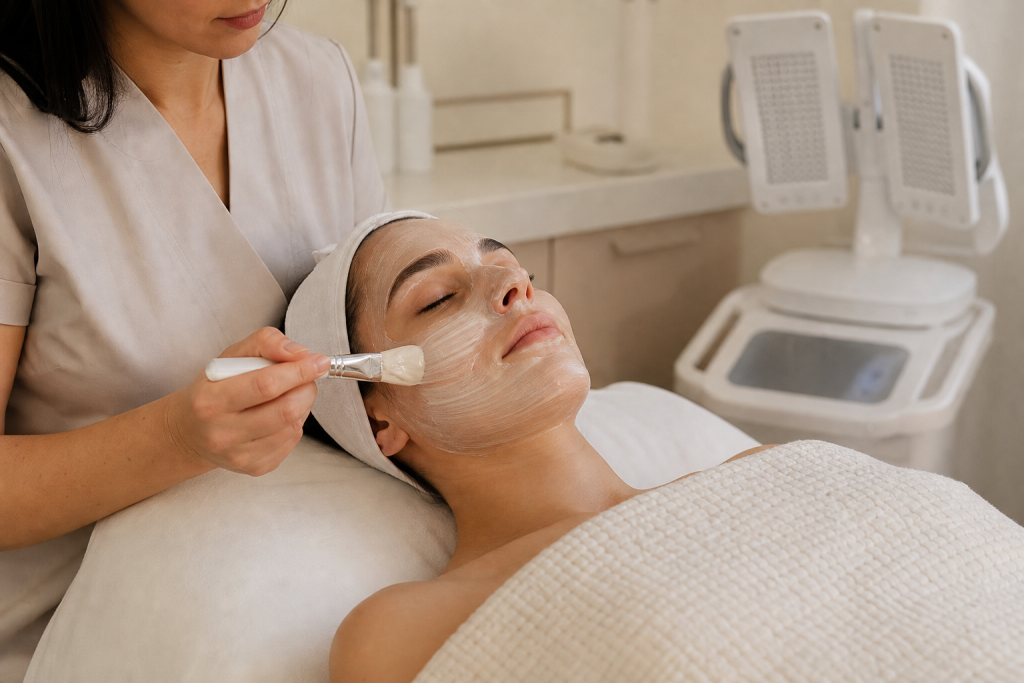
- Hydrating barrier facial: targeted for dryness and dullness with humectants, ceramides, and a nourishing mask.
- Deep-cleansing acne/congested-skin facial: adjusted to avoid over-drying—extractions plus calming serums when inflammation is present.
- Anti-aging with gentle resurfacing: lower-intensity chemical exfoliation or enzyme peels plus intensive hydration to avoid barrier disruption.
- Men’s facial and post-shave care: treatments to soothe shaving irritation and reinforce barrier repair.
- Back treatments and waxing prep: extra hydration and barrier support for skin exposed during cooler, dry seasons.
For many clients, combining a hydrating facial with a LED light therapy add-on is a conservative, evidence-informed approach to accelerate recovery after seasonal stress; supporting evidence and safety notes are reviewed on our LED add-on resource page (internal reference) and in professional summaries [1][2].
Professional facials vs at-home changes: what to do first
| Goal | At-home steps | Professional facial benefit |
|---|---|---|
| Reduce dryness & restore barrier | Switch to gentler cleanser; add humectant serum and a ceramide-rich cream; limit hot showers [2]. | Customized hydrating mask, professional infusions (galvanic), precise product layering, and home-care plan. |
| Control breakouts without overdrying | Use spot treatments; avoid daily abrasive scrubs; maintain lightweight hydration. | Professional extractions, anti-inflammatory serums, and tailored acne protocols with safe exfoliation levels. |
| Address dullness and texture | Introduce weekly mild chemical or enzyme exfoliant; hydrate afterward. | Controlled resurfacing with minimal downtime plus soothing infusions and LED to support healing. |
In short, start with conservative at-home changes and then consider a professional facial if issues persist or you prefer guided care. The Mayo Clinic recommends general gentle care and sun protection year-round; adapt texture-changing actives slowly to avoid barrier damage [2].
Choosing add-ons safely this fall (LED, high frequency, galvanic)
Many clients ask whether to add LED light therapy, high-frequency, or galvanic deep infusion during the seasonal shift. Each device has potential benefits when used properly, but timing and skin condition matter:
- LED light therapy: useful for calming inflammation and supporting recovery. Consider it alongside hydrating facials for barrier support.
- High frequency: can reduce surface bacteria and assist congestion treatment; use cautiously with sensitive, reactive skin.
- Galvanic deep infusion: helps drive hydrating ingredients deeper; combine with barrier-repair serums for best results.
Importantly, avoid aggressive resurfacing (strong chemical peels, deep microdermabrasion) during the first weeks of seasonal change if your skin is already tight or inflamed. Instead, prefer gentle maintenance and barrier rebuilding. Clinical guidance about cold/dry weather and skin supports focusing on barrier protection first [1].
Practical appointment recommendations for Woodland Hills clients
- Timing: book a hydrating or barrier-focused facial within two to six weeks after the first signs of seasonal dryness.
- Frequency: most clients benefit from an initial corrective facial, then follow-up maintenance every 4–8 weeks depending on skin type and goals.
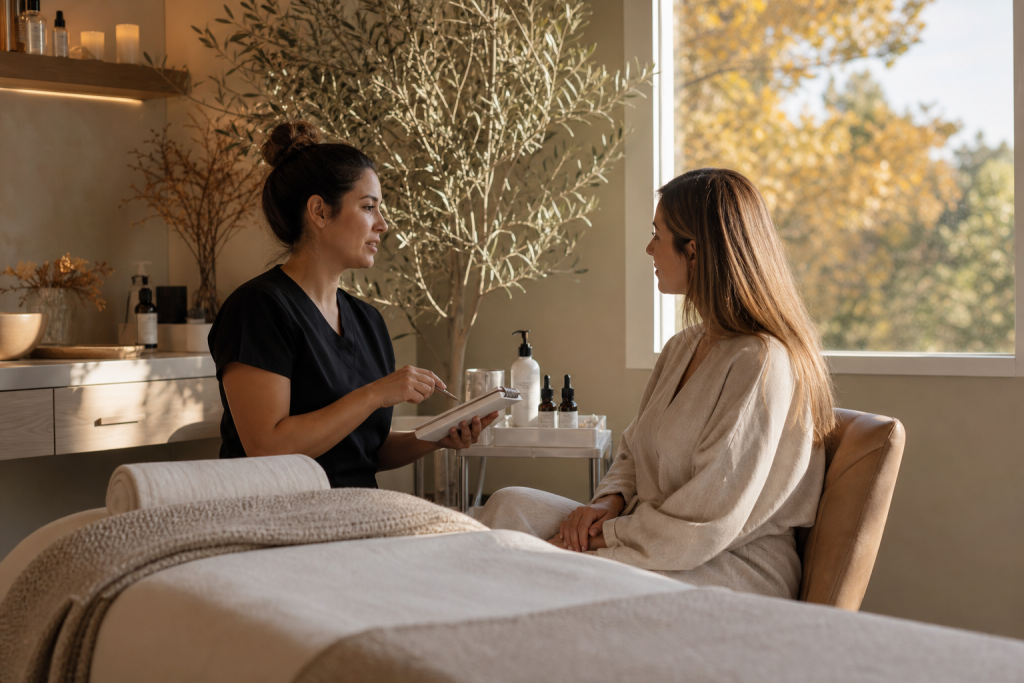
- Customization: tell your esthetician about any recent increases in sensitivity, new products, or medical skin treatments so your plan is safe and appropriate.
Availability and pricing vary; contact Asal Skin Lounge for current appointment slots and membership options. Memberships can reduce long-term cost for regular maintenance and are a practical choice for clients who want seasonal continuity in care.
Common risks and how we reduce them
Material risks include temporary redness, irritation, or reaction to active ingredients, particularly when switching routines at seasonal boundaries. To minimize risk, Asal Skin Lounge follows a conservative protocol: patch tests for new professional actives, gradual strength increases, and post-treatment barrier-repair protocols. In addition, we avoid recommending aggressive at-home routines that could worsen dryness or sensitivity. For general, non-personalized guidance on safe skin care practices, see summaries from the Mayo Clinic [2].
Comparing facial types and add-ons (quick guide)
| Treatment | Best for | Downtime | Recommended add-ons | Frequency |
|---|---|---|---|---|
| Hydrating/Barrier Facial | Dryness, sensitivity, early seasonal barrier changes | Minimal | Galvanic infusion, LED | Every 4–8 weeks |
| Deep-cleansing/Acne Facial | Congestion, oily-prone skin (adjusted to avoid overdrying) | Low | High frequency, gentle chemical maintenance | Every 4–6 weeks |
| Light Resurfacing/Anti-aging | Texture, fine lines (use lower intensity in fall) | 1–3 days depending on intensity | LED, hydrating masks | Every 4–12 weeks |
| Men’s Facial / Shave Relief | Shaving irritation, sensitive male skin | Minimal | Soothing serums | Every 4–8 weeks |
| Back Treatment / Wax Prep | Body congestion, pre-wax skin prep | Minimal | Hydrating body masks | As needed |
Note: costs vary by service level and customization; please contact the studio for current pricing and membership details.
At-home routine checklist for the first 30 days
- Switch to a mild, non-stripping cleanser and avoid hot water.
- Use a humectant (e.g., hyaluronic acid) layered under a ceramide-rich moisturizer to trap moisture.
- Continue sunscreen during daytime — UV still matters on cooler days [2].
- Pause daily abrasive scrubs and strong retinoids if your skin feels tight; reintroduce gradually with professional guidance.
- Hydrate internally and use a humidifier at night if your home becomes drier.
These steps follow general skin‑health recommendations and align with professional guidance on cold- and dry-weather care [1][2].
Next steps for Woodland Hills clients
If you’re experiencing seasonal tightness, sensitivity, or dullness in Woodland Hills, book a consultation to create a plan tailored to your skin. For a conservative start, reserve a hydrating or barrier-restoring facial in the next two weeks. Asal Skin Lounge offers customized treatments, safe add-ons, VIP experiences, waxing, and membership options to maintain seasonal continuity in care.
As of September 27, 2026, weather and dermatology guidance encourage barrier-first care when moving into cooler, drier conditions [1][3]. Analysis: prioritizing hydration and minimizing early-season over-exfoliation reduces the chance of prolonged irritation.
Book online or call +1 (747) 746-3818 to schedule. We’re located at 19903 Ventura Blvd #3, Woodland Hills, CA 91364.
Sources and guidance
Confirmed facts summarizing cold- and dry-weather effects on skin: American Academy of Dermatology (AAD) guidance on cold-weather skin care [1]. General skin-health tips referenced from the Mayo Clinic overview of skin care [2]. Local climate and seasonal shift context based on National Weather Service Los Angeles/Oxnard reporting and climate normals for the region [3].
Reader FAQs
Q: How soon after noticing dryness should I get a facial?
A: Consider booking within two to six weeks after you first notice persistent dryness or sensitivity. A timely, barrier-focused session can prevent escalation and help set a safe home-care plan.
Q: Can I still use retinoids in fall?
A: You can, but transition gradually: reduce frequency if your skin feels tight or irritated, and consult your esthetician about timing a professional resurfacing session to minimize risk of over-exfoliation.
Q: Is sunscreen necessary in fall?
A: Yes. UV exposure continues year-round, so maintain a broad-spectrum sunscreen daily as part of your fall routine [2].
Q: What if I have acne-prone skin that gets drier in fall?
A: Avoid harsh drying regimens. Balanced, professional acne facials that include calming serums, targeted extraction, and lightweight hydration are often more effective and less disruptive than aggressive at-home drying products.


Frequently asked questions
How soon after noticing dryness should I get a facial?
Consider booking within two to six weeks after you first notice persistent dryness or sensitivity. A timely, barrier-focused session can prevent escalation and help set a safe home-care plan tailored to your skin.
Can I still use retinoids in fall?
You can use retinoids, but transition gradually. Reduce frequency if your skin feels tight or irritated, and consult your esthetician before combining strong actives with professional resurfacing.
Is sunscreen necessary in fall?
Yes. UV exposure continues year-round, so maintain a broad-spectrum sunscreen daily as part of your fall routine to protect skin health and complement professional treatments.
What if I have acne-prone skin that gets drier in fall?
Avoid aggressive drying regimens. A balanced professional acne facial—extractions, anti-inflammatory serums, and lightweight hydration—typically helps more safely than frequent harsh at-home drying products.
Need practical help?
Asal Skin Lounge — Contact us to schedule service or request a quote. Service area: Woodland Hills.
Topic in context
Sources and further reading
These links were validated and checked when possible when this article was created; some publishers limit automated requests. Facts, guidance, prices, regulations, and availability can change.
- Cold weather and your skin — American Academy of Dermatology (AAD)
- Skin care: 5 tips for healthy skin — Mayo Clinic
- Climate report — National Weather Service Los Angeles/Oxnard (example climate normals / recent report) — National Weather Service / NOAA