
Post-Summer Hydrating Facial Woodland Hills
post-summer hydrating facial Woodland Hills: Restore sun-stressed skin with a post-summer hydrating facial Woodland Hills. Replenish moisture, support barrier…
View article sections
- 01What a post-summer hydrating facial Woodland Hills treats (and what it won’t)
- 02Core components of a post-summer hydrating facial Woodland Hills
- 03Professional facials vs at-home recovery: what to expect
- 04Key ingredients supported by evidence
- 05Common add-ons at Asal Skin Lounge and when to choose them
- 06Comparing facial types for post-summer needs
- 07Risks, limitations, and realistic expectations
- 08Cost, availability, and scheduling notes (as of 2026-09-06)
- 09Practical at-home steps after your facial
- 10Which appointment may suit you?
- 11Summary and next steps
- 12Related guides and resources
- 13Frequently asked questions
- 14Need practical help?
- 15Topic in context
- 16Sources and further reading
What changed: on 2026-09-06 Lineage announced the final cleanup of the Boyle Heights warehouse, closing a recent regional smoke and debris episode that affected air quality across parts of Los Angeles. That date matters for Woodland Hills clients because short-term smoke exposure and extended summer UV can increase dryness, sensitivity, and barrier stress—issues a targeted post-summer facial can help address when combined with appropriate home care [3].
If you returned from long outdoor days or noticed flakiness, tightness, or a dull complexion this week, this guide explains professional options, evidence-backed ingredients, likely limitations, and practical next steps for recovery at Asal Skin Lounge in Woodland Hills.
What a post-summer hydrating facial Woodland Hills treats (and what it won’t)
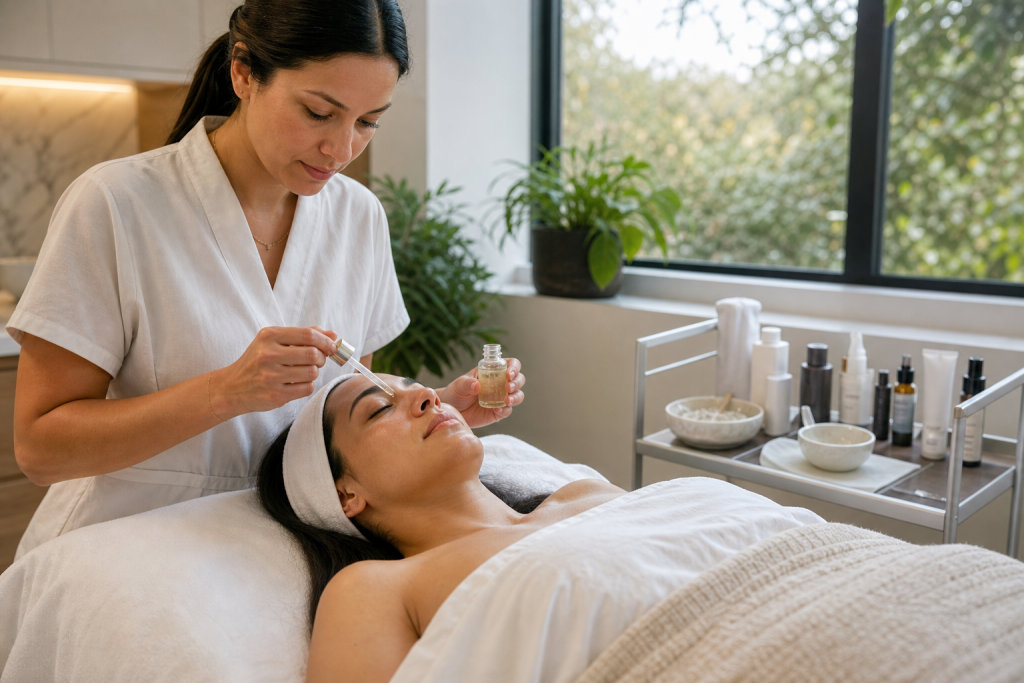
A post-summer hydrating facial Woodland Hills focuses on replenishing moisture, calming irritation, and supporting repair of the skin’s protective barrier. It typically includes gentle cleansing, hydrating serums or ampoules, barrier-repair ingredients such as ceramides and hyaluronic acid, and a soothing mask. Ceramide-containing products are well-studied for improving water retention and barrier function, which supports short-term relief from dryness and trans-epidermal water loss [2].
However, professional facials are not medical treatments for diagnosed conditions. If you have persistent redness, open wounds, severe acne, or a suspected infection, consult a dermatologist before scheduling invasive or exfoliating procedures.
Why timing matters after summer and smoke events
Early September is a common time for people to notice the cumulative effects of seasonal sun and airborne particles. Even brief exposure to wildfire or industrial smoke can leave particulate residue on skin and increase sensitivity; cleaning and calming the skin is a reasonable first step after such events [3].
In addition, skin that has lost moisture from heat or sun exposure will respond better to corrective treatments when the barrier is supported first. A hydrating facial helps prepare skin for later resurfacing or active ingredient programs by restoring hydration and reducing reactive inflammation.
Core components of a post-summer hydrating facial Woodland Hills
- Gentle skin analysis and double cleanse to remove sweat, sunscreen, and particulate matter.
- Non-irritating exfoliation only when appropriate (enzymatic or very mild chemical exfoliants for sun-exposed skin).
- Hydration boosters: hyaluronic acid, glycerin, and humectant serums.
- Barrier-repair layers: ceramide-containing moisturizers and emollients (supported by clinical review) [2].
- Soothing mask and facial massage to promote circulation and lymphatic drainage.
- Optional advanced add-ons: LED light therapy, galvanic deep infusion, high-frequency for congested pores, or a calming oxygen/centella finish.
When used together in a gentle, staged approach, these steps reduce visible dryness and help skin feel smoother—while minimizing irritation risks.
Professional facials vs at-home recovery: what to expect
Professional post-summer facials offer controlled environment, trained assessment, and equipment that boosts product penetration. By contrast, at-home masks and serums can be useful maintenance but are less effective at removing residual particulate or delivering stronger infusion treatments. The American Academy of Dermatology emphasizes that face masks and professional treatments can complement a routine, but do not replace medical care when conditions require it [1].
| Dimension | Professional facial | At-home care |
|---|---|---|
| Assessment | Individualized by esthetician | Self-assessed; less precision |
| Deep cleaning & particulate removal | Thorough (professional tools) | Surface-level |
| Barrier repair delivery | Custom layering and infusions | Effective for maintenance |
| Risk of irritation | Lower when tailored; higher if aggressive treatments used | Variable; risk increases with incorrect mixing or overuse |
Key ingredients supported by evidence
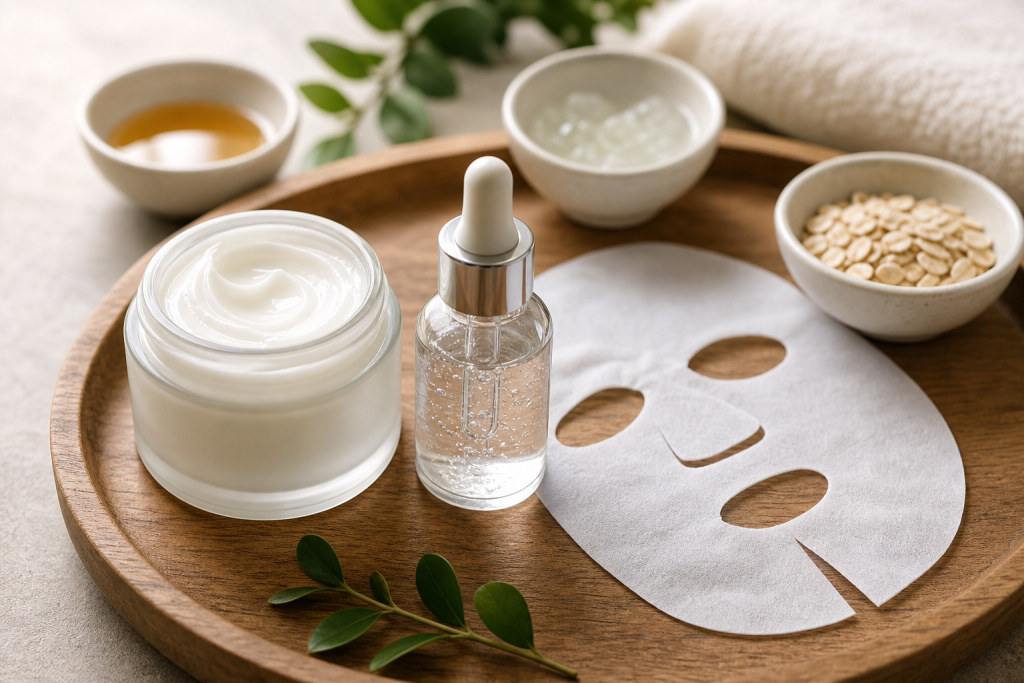
When repairing barrier function, look for products containing ceramides, humectants, and gentle lipids. A qualitative review found that ceramide-containing formulations meaningfully support water retention and barrier recovery in clinical settings, which is why many restorative facials use ceramide-enriched creams or masks as a finishing layer [2].
Hyaluronic acid and glycerin attract and hold moisture; occlusives like petrolatum or botanical oils help lock it in. Professional treatments often pair humectants with occlusive and restorative lipids in a controlled sequence to maximize benefit while minimizing irritation.
What the American Academy of Dermatology says about masks and routines
Face masks can add temporary hydration and comfort, but their benefit depends on product choice and skin type. The AAD recommends choosing non-irritating, fragrance-free options and using masks as part of a broader routine rather than as a cure-all [1].
Common add-ons at Asal Skin Lounge and when to choose them
- LED light therapy — helpful for calming inflammation and supporting overall recovery when used after barrier repair steps.
- Galvanic deep infusion — increases topical ingredient penetration for targeted hydration and serums.
- High frequency — used selectively for congestion or mild breakouts; avoid if skin is acutely sunburned or inflamed.
- Back treatment — ideal if sun exposure affected the upper back or shoulders after long outdoor days.
- Facial massage and lymphatic drainage — reduces puffiness and supports circulation without aggressive exfoliation.
Not every add-on suits recently sun-exposed or smoke-affected skin. For example, aggressive exfoliation or strong chemical peels should be postponed until the barrier shows measurable recovery.
Comparing facial types for post-summer needs
| Facial type | Best for | When to avoid |
|---|---|---|
| Hydrating facial | Dryness, tightness, barrier support | Open sores, fresh sunburn |
| Deep-cleansing/acne facial | Congested or oily skin, post-summer sebum buildup | Severe inflammation or weakened barrier |
| Resurfacing/peel | Texture concerns once barrier is healthy | Recent sun exposure or smoke irritation |
Risks, limitations, and realistic expectations
Expect short-term relief of dryness and improvement in skin feel after a hydrating facial. Yet, recovery depends on multiple factors: extent of UV damage, skin type, underlying conditions, and consistent home care. Professional facials can reduce flakiness and soothe skin, but they do not reverse deep photoaging or guarantee elimination of pigmentation.
Avoid immediate aggressive treatments if skin is visibly sunburned, blistered, or highly sensitized following smoke exposure. In such cases, conservative hydration and a medical consult are safer alternatives.
Cost, availability, and scheduling notes (as of 2026-09-06)
Prices and appointment availability vary by studio and add-ons. Asal Skin Lounge offers tailored hydrating facials with optional advanced add-ons and membership programs to reduce long-term cost per visit; contact the studio for current pricing and the next available appointment. If you’ve been directly affected by recent regional smoke events, mention this when booking so the esthetician can plan a conservative, calming approach [3].
Practical at-home steps after your facial
- Use a gentle cleanser and avoid hot water for 24–48 hours.
- Apply fragrance-free moisturizer with ceramides and a humectant (hyaluronic acid) twice daily to maintain gains from the facial [2].
- Wear broad-spectrum sunscreen daily to protect the refreshed barrier; avoid new actives (retinoids, strong AHAs/BHAs) for at least one week unless advised otherwise.
- Follow any tailored product regimen your esthetician recommends and schedule follow-up or a series if deeper correction is desired.
Which appointment may suit you?
- If dryness, tightness, or flaky patches are your main issue: choose a hydrating facial with barrier-focused serums.
- If you have congestion or post-summer breakouts: add high frequency and consider a gentle extraction session.
- If you want to accelerate ingredient delivery for deeper hydration: consider galvanic deep infusion or a curated LED series.
Discuss any chronic skin conditions, medications, or recent procedures when booking so your esthetician can tailor the treatment safely.
Summary and next steps
After the Boyle Heights cleanup announced 2026-09-06, many locals in Woodland Hills may be noticing the toll of summer sun and short-term smoke exposure on skin [3]. A professionally delivered post-summer hydrating facial Woodland Hills combines gentle cleansing, humectants, and barrier-repair ingredients—often including ceramides—to restore moisture and comfort, while optional add-ons address congestion or boost product delivery [2][1].
If you’re ready for a personalized recovery plan or want a conservative first appointment after recent outdoor exposure, book an appointment at Asal Skin Lounge in Woodland Hills. We tailor each service to skin type and recent exposure history—book online or call +1 (747) 746-3818 to schedule.
FAQs
Q: How soon after heavy sun exposure or smoke can I get a hydrating facial?
A: If your skin is only mildly dry or irritated, a hydrating facial is generally appropriate within a few days. If you have a fresh sunburn, open blisters, or severe inflammation, wait until healing begins and consult a medical provider first.
Q: Will a hydrating facial remove soot or particulate from smoke?
A: Professional cleansing helps remove surface residue and particulate more thoroughly than at-home washing. Mention recent smoke exposure when booking so the esthetician can include appropriate cleansing steps [3].
Q: Are ceramides safe for sensitive skin?
A: Ceramide-containing formulations are generally well-tolerated and support barrier recovery by improving water retention; however, always patch-test new products and inform your esthetician of sensitivity history [2].
Q: How does a professional hydrating facial differ from an at-home mask?
A: Professional facials include a trained skin assessment, deeper cleansing, customized layering, and optional device-supported infusion. At-home masks provide useful maintenance but lack the personalized evaluation and equipment used in a studio setting. The American Academy of Dermatology notes masks can be helpful but are best used within a comprehensive routine [1].
Q: How many sessions will I need?
A: For immediate post-summer recovery, one dedicated hydrating facial can provide noticeable relief. For longer-term concerns—texture, chronic dehydration, or photoaging—your esthetician may recommend a short series and a maintenance plan.
Ready to refresh and repair? Book online or call +1 (747) 746-3818 to schedule your post-summer hydrating facial Woodland Hills at Asal Skin Lounge.

Frequently asked questions
How soon after heavy sun exposure or smoke can I get a hydrating facial?
If your skin shows only mild dryness or irritation, a hydrating facial is generally appropriate within a few days. If you have fresh sunburn, open blisters, or severe inflammation, wait for healing and consult a medical provider before seeking facial procedures.
Will a hydrating facial remove soot or particulate from smoke?
Professional cleansing removes surface residue and particulate more thoroughly than typical at-home washing. Let your esthetician know about recent smoke exposure so they can include targeted cleansing steps.
Are ceramides safe for sensitive skin?
Ceramide-containing products are widely used to support barrier recovery and water retention and are generally well-tolerated. Still, patch-test new products and report any history of sensitivity to your esthetician.
How does a professional hydrating facial differ from an at-home mask?
Professional facials include a trained assessment, deeper cleansing, customized layering of ingredients, and optional device-assisted infusions. At-home masks can supplement maintenance but usually do not match the precision or delivery of an in-studio treatment.
How many sessions will I need to see improvement?
One hydrating facial can provide immediate relief from dryness and tightness. For longer-term improvements—such as texture or chronic dehydration—your esthetician may recommend a short series and a tailored maintenance plan.
Need practical help?
Asal Skin Lounge — Contact us to schedule service or request a quote. Service area: Woodland Hills.
Topic in context
Sources and further reading
These links were validated and checked when possible when this article was created; some publishers limit automated requests. Facts, guidance, prices, regulations, and availability can change.
- Do facial masks work, and should I add one to my skin care routine? — American Academy of Dermatology (2026-03-01)
- Clinical significance of the water retention and barrier function‑improving capabilities of ceramide‑containing formulations: A qualitative review — PubMed Central / Peer‑reviewed journal (via NCBI) (2022-10-07)
- Final cleanup of the Boyle Heights warehouse is complete, Lineage says — what’s next — LAist (Southern California local news) (2026-09-06)