

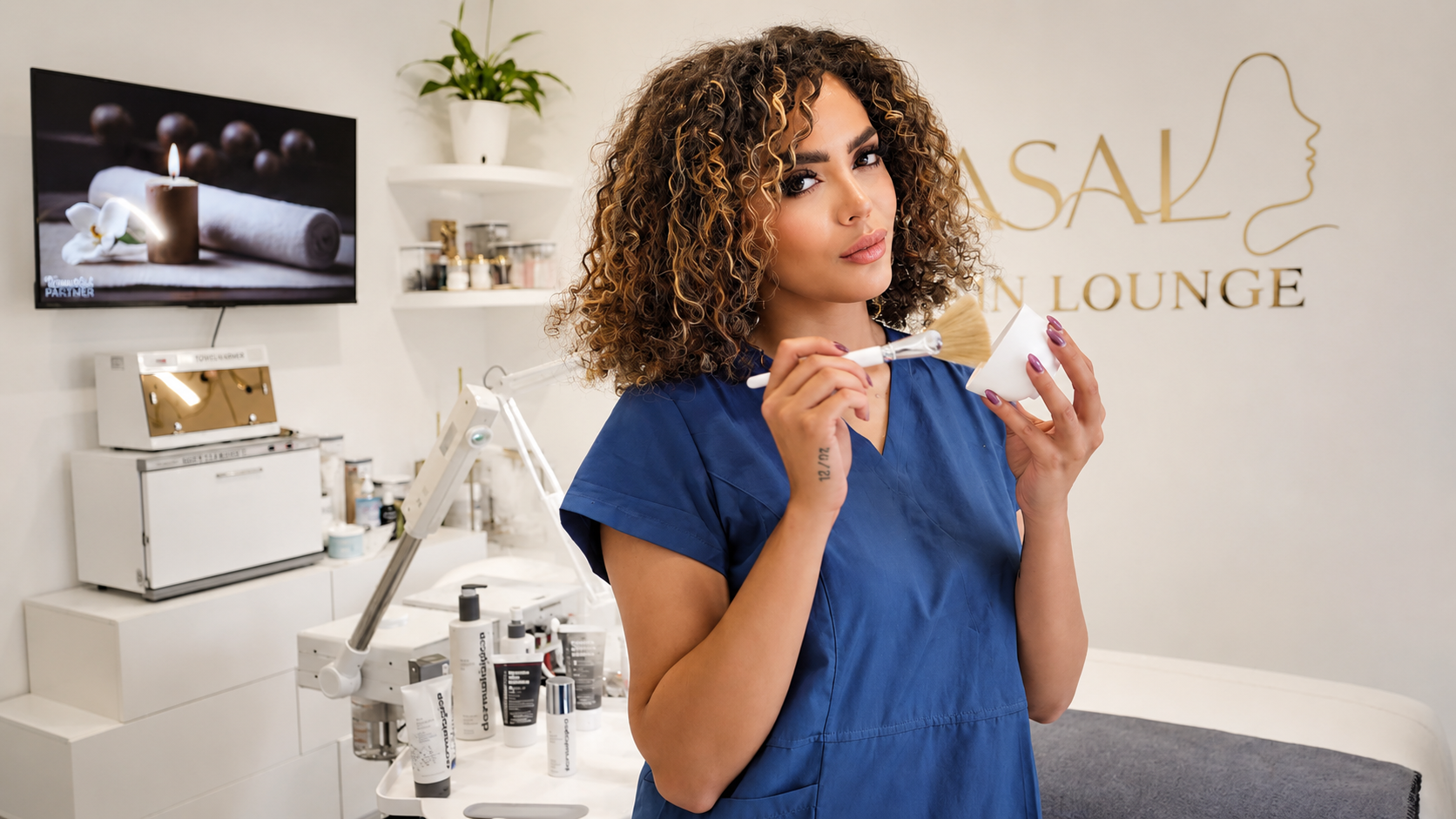
deep cleansing facial congested pores: expectations & aftercare
deep cleansing facial congested pores: Planning a deep cleansing facial congested pores? Learn what to expect, safe extractions, hygiene risks, and post‑facial…

View article sections
- 01Table of contents
- 02deep cleansing facial congested pores: what to expect
- 03Before your appointment: consultation and safety
- 04What happens during a professional deep cleansing facial
- 05Aftercare: how to reduce the chance of breakouts or irritation
- 06Comparing options: professional deep extractions vs. at‑home care
- 07Common add‑ons and when they help
- 08Limitations and realistic outcomes
- 09Costs, availability, and next steps in Woodland Hills
- 10Quick checklist before you book a deep cleansing facial
- 11Sample care timeline after a deep cleansing facial
- 12FAQ
- 13Related guides and resources
- 14Frequently asked questions
- 15Need practical help?
- 16Topic in context
- 17Sources and further reading
- 18Related services and resources
Quick summary: This guide explains what a professional deep‑cleansing facial for congested pores typically includes, the importance of sanitation and controlled extractions, and practical aftercare to reduce irritation or breakouts. It emphasizes consultation, contraindications (recent procedures or medications), realistic outcomes, and when to seek medical advice.
Estimated reading time: 8 minute read
Table of contents
- deep cleansing facial congested pores: what to expect
- Confirmed facts, sources, and note on scope
- Before your appointment: consultation and safety
- What happens during a professional deep cleansing facial
- Tools, hygiene, and infection risk
- Aftercare: how to reduce the chance of breakouts or irritation
- Comparing options: professional deep extractions vs. at‑home care
- Common add‑ons and when they help
- Limitations and realistic outcomes
- Typical timelines and follow‑up
- Costs, availability, and next steps in Woodland Hills
- Quick checklist before you book a deep cleansing facial
- Sample care timeline after a deep cleansing facial
- FAQ
- Is a deep cleansing facial safe for acne‑prone skin?
- Will extractions cause scarring?
- How soon can I wear makeup after a deep cleansing facial?
- How often should I book a deep cleansing facial for congested pores?
- What are the signs of an infection after a facial?
- Related guides and resources
- Frequently asked questions
- Is a deep cleansing facial safe for acne‑prone skin?
- How should I care for my skin after a deep cleansing facial to avoid breakouts?
- What hygiene practices reduce infection risk during extractions?
- How often should I schedule deep cleansing facials for congested pores?
- Need practical help?
- Topic in context
- Sources and further reading
Updated 2026-09-05: This independent analysis explains why many Woodland Hills clients request a deep cleansing facial before events, and how to reduce post‑facial breakouts and irritation. It matters because better expectations and aftercare lower no‑shows and improve safety. This article is independent reporting and analysis, not an official medical claim.
deep cleansing facial congested pores: what to expect
When clients say they want a deep cleansing facial congested pores are often the primary concern. A professional deep‑cleansing facial typically includes a consultation, skin analysis, a targeted cleanse and exfoliation, controlled extractions, a calming mask, and a finishing serum or moisturizer [2]. The goal is to clear blocked follicles, reduce surface oil and debris, and improve skin texture without causing unnecessary irritation.
Confirmed facts, sources, and note on scope
Confirmed facts in this guide are drawn from public dermatology and clinical resources and a peer‑reviewed hygiene study: acne involves follicular blockage, excess oil, dead skin and bacteria [1]; facials commonly use cleansing, steaming, exfoliation and extractions [2]; and cosmetic brushes and tools can carry bacteria if not cleaned and stored properly [3]. As of 2026‑09‑05, this piece is independent analysis and not an official guideline from those organizations.
Before your appointment: consultation and safety
A proper consultation identifies current products, recent procedures, medications (like retinoids or isotretinoin), and active skin conditions. These factors affect whether a deep cleansing facial congested pores treatment is appropriate now, or whether you should delay or choose a gentler option [2].
- Tell your esthetician about recent laser, chemical peels, or aggressive home exfoliation.
- Disclose topical retinoid or oral acne medication use—some increase sensitivity and healing time.
- If you have inflamed cystic acne or an active infection, extraction‑focused treatments may be postponed and a medical evaluation advised [1].
What happens during a professional deep cleansing facial
Expect these common steps, although protocols vary by studio and client needs [2]:
- Gentle double cleanse to remove makeup, sunscreen, and oil.
- Exfoliation (enzymatic, chemical, or light physical) to loosen dead skin.
- Steam or warm compresses to soften sebum and ease extractions.
- Targeted manual or instrument extractions performed with trained technique.
- Soothing mask, antibacterial measures (when indicated), and protective serums.
- Optional add‑ons such as high‑frequency, LED light therapy, or galvanic deep infusion for hydration or acne support.
Controlled extractions aim to remove comedones (blackheads and whiteheads) and reduce congestion while limiting trauma to surrounding tissue. When performed correctly, extractions can decrease the need for repeated at‑home picking, which risks scarring or infection [2].
Tools, hygiene, and infection risk
Hygiene matters. A 2025 study found that cosmetic brushes and tools can harbor diverse bacteria if cleaning and storage are inadequate, which supports strict sanitation protocols in professional settings [3]. High standards at a licensed studio reduce—but do not eliminate—post‑treatment infection or irritation risk.
Aftercare: how to reduce the chance of breakouts or irritation
Aftercare is the most important factor in whether a deep cleansing facial congested pores treatment leads to calm, clearer skin or to temporary flares. Follow these general steps:
- Avoid touching or picking treated areas for 24–72 hours.
- Use only the gentle, non‑comedogenic cleanser and moisturizer your esthetician recommends.
- Skip active home exfoliants (AHA/BHA) or retinoids for at least 48–72 hours, or as advised.
- Protect treated skin from direct sun; apply broad‑spectrum sunscreen once healed.
- If redness, swelling, increasing pain, or pus develops, contact your provider—these can be signs of infection.
Some clients experience a short‑term increase in small bumps or redness as deeper congestion clears. This is commonly transient and not the same as a spreading infection, but if you are concerned, seek a follow‑up. The American Academy of Dermatology lays out acne triggers and when to consult a clinician [1].
Comparing options: professional deep extractions vs. at‑home care
| Feature | Professional deep cleansing facial (extractions) | At‑home |
|---|---|---|
| Training & technique | Performed by trained esthetician using sterile tools and techniques. | Risk of improper technique, more trauma and scarring if done by untrained hands. |
| Hygiene | Sanitized tools and studio protocols reduce contamination risk [3]. | Brushes and tools at home can harbour bacteria if not cleaned regularly [3]. |
| Effectiveness | Often clears stubborn congestion more efficiently and pairs with clinical add‑ons (LED, galvanic). | Good daily maintenance but limited for deep, fibrous comedones. |
| Cost & convenience | Requires appointment and cost per session; personalized care. | Lower cost per use but may lead to repeated errors and delayed results. |
Common add‑ons and when they help
When congestion is the main concern, these add‑ons can be useful depending on skin type and goals:
- High‑frequency: may help reduce bacteria on the surface and soothe extraction sites when used appropriately.
- LED light therapy: blue or red light can be used as a calming or anti‑inflammatory adjunct over time.
- Galvanic deep infusion: helps drive hydrating serums into the skin after extractions, improving barrier recovery.
Discuss expectations and contraindications during your consultation; not all add‑ons suit every skin or recent procedure.
Limitations and realistic outcomes
It’s important to set realistic goals. A deep cleansing facial congested pores appointment may visibly reduce surface comedones and improve skin texture but will not permanently stop future congestion. Long‑term management often requires a combined approach of professional maintenance, tailored home care, and medical treatment for moderate to severe acne when appropriate [1].
Typical timelines and follow‑up
Some clients see immediate smoothing and less visible blackheads. Others notice transient redness or small flares for a few days as pore contents clear. Plan for gradual improvement with scheduled maintenance sessions and a consistent at‑home regimen tailored by your esthetician.
Costs, availability, and next steps in Woodland Hills
Costs and session availability vary by studio and chosen add‑ons. Asal Skin Lounge in Woodland Hills offers personalized deep cleansing and extraction services plus add‑ons like galvanic infusion and LED; contact the studio to discuss timing and suitability. This article does not provide business pricing—that information changes frequently—so call or book online to confirm current options.
Quick checklist before you book a deep cleansing facial
- Confirm any recent professional treatments or medications with your esthetician.
- Ask about sanitation protocols and how tools are cleaned and stored [3].
- Plan a follow‑up or maintenance schedule if you have recurring congestion.
- Discuss add‑ons like LED, high‑frequency, or galvanic infusion during booking.
Sample care timeline after a deep cleansing facial
- 0–24 hours: Avoid makeup if possible; use gentle cleanser and avoid touching the face.
- 24–72 hours: Avoid active acids and retinoids; use soothing, non‑comedogenic products.
- 3–7 days: Skin should calm; resume gradual reintroduction of active ingredients as advised.
FAQ
Is a deep cleansing facial safe for acne‑prone skin?
Many clients with acne‑prone or oily skin benefit from professionally guided extractions and acne‑focused facials, but those with widespread inflamed or cystic acne should seek medical advice first. Your esthetician will assess and recommend the safest path forward [1][2].
Will extractions cause scarring?
When extractions are performed correctly by a trained professional, the risk of scarring is reduced compared with aggressive home picking. However, any trauma can potentially scar, especially on skin types prone to post‑inflammatory hyperpigmentation.
How soon can I wear makeup after a deep cleansing facial?
Ideally wait 24 hours to allow skin to calm, unless your esthetician advises otherwise. If you must wear makeup sooner, choose non‑comedogenic, mineral‑based products and apply with clean tools.
How often should I book a deep cleansing facial for congested pores?
Frequency depends on skin type and severity. Many clients begin with a series spaced 2–4 weeks apart, then move to monthly or every 6–8 weeks as maintenance. Your esthetician will recommend a schedule during consultation.
What are the signs of an infection after a facial?
Increasing pain, spreading redness, swelling with heat, or pus are reasons to contact your provider promptly; these may indicate infection and require evaluation.
For clients in Woodland Hills and nearby neighborhoods (Tarzana, Encino, West Hills, Canoga Park, Calabasas), Asal Skin Lounge offers tailored deep cleansing facial options and professional add‑ons to address congestion safely. To discuss whether a deep cleansing facial congested pores treatment fits your needs, book online or call +1 (747) 746-3818.
Frequently asked questions
Is a deep cleansing facial safe for acne‑prone skin?
Many clients with acne‑prone or oily skin can benefit from professional extractions and acne‑focused facials. However, widespread inflamed or cystic acne may require medical evaluation first. A licensed esthetician will assess your skin and recommend the safest option [1][2].
How should I care for my skin after a deep cleansing facial to avoid breakouts?
Avoid touching or picking the treated area for 24–72 hours, use only the gentle cleanser and moisturizer recommended by your esthetician, skip active acids or retinoids for a few days, and protect skin from direct sun. Contact your provider if you see spreading redness, increasing pain, or pus.
What hygiene practices reduce infection risk during extractions?
Choose a studio that sanitizes tools, cleans brushes regularly, and follows strict storage and cleaning protocols. Research shows cosmetic tools can harbor bacteria if not cleaned properly, so ask about tool sterilization and disposable supplies when booking [3].
How often should I schedule deep cleansing facials for congested pores?
Frequency depends on your skin and goals. Many start with sessions 2–4 weeks apart, transitioning to monthly or every 6–8 weeks for maintenance. Your esthetician will recommend a personalized schedule.
Need practical help?
Asal Skin Lounge — Contact us to schedule service or request a quote. Service area: Woodland Hills.
Topic in context
Sources and further reading
These links were validated and checked when possible when this article was created; some publishers limit automated requests. Facts, guidance, prices, regulations, and availability can change.
- Acne Resource Center — American Academy of Dermatology (AAD)
- Facials: What Are They, and What Do They Really Do? — Cleveland Clinic (2023-08-28)
- Assessing the Levels and Types of Bacterial Contamination in Cosmetic Brushes: Implications for Beauty and Hygiene — NCBI / PubMed Central (2025-08-01)